

For years, creative and performance were treated like two separate paths.
Creative teams focused on the visual appeal, while the data teams focused on the results. Meanwhile, the success of these direct marketing campaigns was hit-or-miss.
Today, that approach doesn’t hold up. If your creative isn’t built to drive action, it’s not delivering.
As a creative director in direct marketing, I feel that design isn’t just about aesthetics. It’s about results. Every decision, from layout to typography to imagery, needs to serve one purpose: getting the customer to respond.
Start with a goal
Before you think about format, typography, colors or imagery, you need to answer one important question:
What do you want the recipient to do? Call, scan or click.
The action drives every creative decision that follows. Often, teams jump straight into design without clearly defining the outcome. Then the result is a piece that looks polished but lacks direction for the reader.
Strong art direction starts with a clear, focused design engineered .
Design for scanners
Consumers don’t engage with marketing the way they used to. They don’t sit down and read every word at first glance, they scan.
Your direct mail piece has about three seconds to make an impression on the recipient. This is when they decide to read in more detail or move on to something else.
Your design needs to do the heavy lifting. Strong, benefit-driven headlines need to stand out immediately. Create a visual hierarchy that directs the reader’s focus. Key benefits should grab attention immediately.
Overall whitespace is so important — it ensures the piece is easy to read and does not overwhelm the reader with too much information. And calls to action should appear at least three times throughout (not just at the bottom of the piece).

Make your message impossible to ignore
One of the biggest mistakes creatives make while producing DM pieces is crowding in too many ideas without a singular, primary focus. When everything is important, nothing stands out and the offer gets lost.
Great art direction simplifies, prioritizes and makes the core message obvious within seconds.
That means:
Leading with a bold headline that communicates the primary reason why the recipient got this DM piece
Using a single, strong visual instead of multiple competing elements
Editing copy that doesn’t directly support the action you want the customer to take
If the recipient must spend their valuable time trying to figure out what the offer is, then you’ve lost them and they will not act.
Use data to your creative advantage
Data plays a critical role in shaping creative decisions. It tells you what messages resonate, what formats perform well, how much personalization is needed and what offers drive action.
Instead of creating one generic piece for every recipient, design variations that speak directly to different audience segments. Consider testing headlines, offers and even different visuals.
The creative needs to align with what the data already knows about your customer. It will feel more relevant and personal. That connection is worth paying attention to and will drive response.
When in doubt, leave it out
In high-performing direct marketing campaigns, design elements should not be used just for decoration.
Every component on the piece needs to have a purpose:
Headline grabs the reader’s attention and subhead gets them to read further
Visuals reinforce the overall messaging
Layout hierarchy guides the reader
Multiple calls to action drive response
If an element doesn’t support your goal, it shouldn’t be included in your DM piece. This design discipline is what separates creative that just looks good from creative that works.
Creative drives growth
Many marketers think results depend on just two factors: who they’re targeting or what they’re offering. While those elements are incredibly important, it’s the creative that gives them life. The design elements of a DM piece are what the customer sees first and initially grabs their attention. The creative makes the offer feel relevant to the recipient and guides them to respond.
Level up your direct marketing creative — it’s an important way to boost overall performance. When the design is intentional you get better engagement, which leads to higher response rates and stronger ROI. That is the impact of an effective visual strategy.
Design meets results
Direct marketing is evolving and the creative must adapt. Simply making the pieces look good and hoping for the best from the recipient is not enough. Campaign success requires intentional design, clear messaging and prioritizing detailed consumer data.
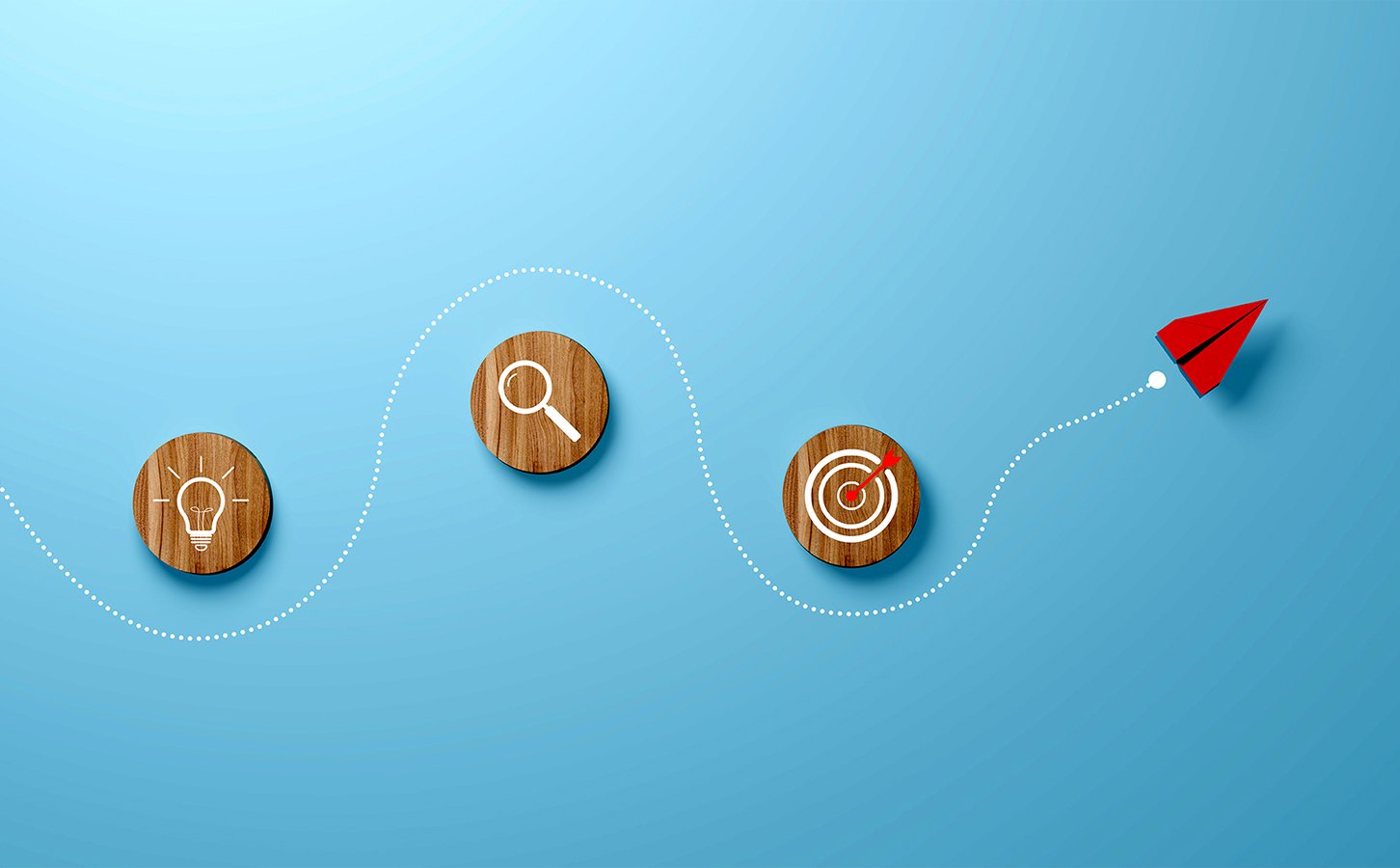
Build every piece of the creative campaign around a clear path to action. This ensures that your direct marketing piece gets noticed and ensures results.
The time has come for us to move past the idea that a nice design is enough for success. Creative discipline is having the courage to eliminate unnecessary elements and focus on what drives responses from recipients. Every design choice you make must be backed up by the data and built with intention. If you do this, the results will speak for themselves. Elevate your creative standards and deliver the results your clients demand.
Need help getting started?
Fill out the form below or give us a call at 312-894-3000. We’ll have an honest discussion about if and how Jacobs & Clevenger can help.